LIGHTSOURCES

LightSources and our affiliated companies represent the leading high-tech designers and light bulb manufacturers in the lamp industry today.

  • Blog

ASHRAE Standard to Control Infectious Aerosols and UVC Air Cleaning Technology

August 28, 2023 by John Andros in UV Germicidal Lamp

ASHRAE, the American Society of Heating, Refrigerating and Air-Conditioning Engineers, was founded in 1959 as a result of the merger between the American Society of Heating and Air-Conditioning Engineers, ASHAE, and the American Society of Refrigerating Engineers, ASRE. The mission of ASHRAE is to advance the science of heating, ventilation, air conditioning, and refrigeration to serve humanity for a sustainable and healthy environment for all.

ASHRAE Drafts New Standard to Control Infectious Aerosols

As part of this mission, ASHRAE has recently drafted a new standard, 241P, Control of Infectious Aerosols, that addresses indoor air quality and its contribution to the spread of airborne pathogen-based diseases. This new standard outlines the minimum requirements for HVAC systems with a focus on reducing the risk of transmission of airborne diseases, including influenza as well as COVID-19. Standard 241P is aimed at offering guidance to create healthier environments where people live, work, and play.

This pathogen mitigation standard 241P recognizes the importance of air changes per hour (ACH) to control and suppress the spread of airborne pathogens. One of the most important points of focus of the standard is that buildings would be required to achieve 4 to 6 full-volume air changes per hour.

Traditionally, ACHs have only referred to mechanical ventilation, swapping inside air with fresh outdoor air, although this new standard includes “air cleaners” as equivalent technologies that, when deployed in a building, can add to the ACH count. HEPA filters, as well as UVC air purification systems, are both considered mechanisms that add to the ACH count when deployed in buildings.

Standard 241P is expected to have final approval in June, with an anticipated publishing date in July 2023. The global COVID-19 pandemic was one catalyst to spur the development of the standard to protect people against the spread of pathogens by improving ventilation and indoor air quality in occupied buildings. This is the first standard of its kind that addresses the concept of mitigating pathogen spread and addresses long-range transmission with minimum requirements for filter and air cleaner safety and effectiveness, room air distribution, and equivalent outdoor air, including ventilation, filtration, and air cleaning. The areas of focus include system operation, maintenance tasks, residences, and healthcare facilities, as well as the development and implementation of Building Readiness Plans.

Air Cleaners to Improve Indoor Air Quality

There are various mechanisms that are proven to improve indoor air quality, including:

  • Ventilation – mechanical air exchange

  • Filtration – pushing air through a filter

  • UVC lamps – efficient and effective for air purification

UVC and Far UVC lamps equate to significantly more air exchanges than mechanical ventilation alone. ASHRAE offers guidance in the usage of UVC disinfection lamps in HVAC systems in Chapter 62, Ultraviolet Air and Surface Treatment. UVC air purification is becoming increasingly popular due to concerns about the quality of indoor air and the ability of UVC radiation to interrupt the transmission of harmful pathogens, including influenza viruses, Mycobacterium tuberculosis (TB), pathogenic organisms as well as potential bioterrorism threats.

UVC lamps used in room settings such as upper room UVGI systems and air handling systems inactivate harmful microorganisms by damaging the structure of nucleic acids and proteins (DNA) at the molecular level. This inactivates the pathogen and makes them incapable of reproducing, thus rendering them harmless. Upper room, also called upper air, devices installed in occupied spaces control suspended bacteria, viruses, and fungi contained in droplet nuclei that have the potential to be transmitted through HVAC systems. In duct UVC systems installed in air handling units control pathogens and bioaerosols in recirculated air and help to control microbial growth on cooling coils and other mechanical surfaces.

AHSRAE Standards Help UVC System Designers of Air Purification Systems

UVC air purification systems rely on performance data from UV lamp manufacturers, including data from the germicidal lamp, the ballast, and fixtures, as well as the expertise of system designers. Many UV germicidal lamp manufacturers utilize a variety of methods to determine the UV dose delivered. ASHRAE offers standards that help UVC system designers to choose the correct components and rate equipment performance.

ASHRAE Standard 185.1, Method of Testing UV-C Lights for Use in Air-Handling Units or Air Ducts to Inactivate Airborne Microorganisms, establishes methods for testing and evaluating the effectiveness and the ability of UVC lights to inactivate airborne pathogens when installed in typical ventilation systems.

ASHRAE Standard 185.2, Method of Testing Ultraviolet Lamps for Use in HVAC&R Units or Air Ducts to Inactivate Microorganisms on Irradiated Surfaces, establishes similar test methods to measure the intensity of UV lamps on irradiated surfaces when operating in typical HVAC&R conditions.
UVC lamps have been used for years in HVAC systems, although are gaining in popularity and usage due to their high efficacy in eliminating the spread of airborne pathogens and harmful microorganisms.

UVC Lamps Proven Effective And Efficient In Air Handling Systems

According to a study published by Columbia University, far-UVC light rapidly reduces active airborne microbes to make indoor air quality essentially as safe as outdoor air. This study revealed that far UVC light bulbs took less than five minutes to reduce microbes by more than 98%, even as microbes were continually sprayed into the room. As long as the lights were on, the level remained very low. This study suggests that far UVC lamps installed in the ceiling could be an extremely effective passive technology to reduce person-to-person transmission of airborne mediated diseases such as influenza and COVID in indoor settings. This lowers the risk of the spread of these pathogens as well as mitigates the next pandemic

In this study, far UVC lamps provided the equivalent of 184 equivalent air exchanges per hour. As the efficacy of indoor air quality treatment systems is typically measured in terms of equivalent air changes per hour, this study showed that UVC lamps far surpass any other approach to disinfecting occupied spaces indoors.

Far UVC lamps are UV lamps designed to emit wavelengths in the range of 222 nm, compared to typical UVC germicidal lamps, which are commonly designed to emit wavelengths in the range of 254 nm. 254 nm lamps are highly effective at killing a variety of harmful germs, although human exposure can cause damage to the skin and eyes. 222 nm lamps are becoming more popular as they are proving to deliver the same or greater germicidal efficacy in many applications and are safer for use in occupied spaces.

Another study reported by the U.S. Department of Energy conducted by Edward Nardell, MD Professor of Medicine, Harvard Medical School, showed that Mercury GUV (germicidal UV) lamps added the equivalent of 24 equivalent active air changes per hour and consumed the same energy as comparable fluorescent lights. Since the CDC recommends 6 to 12 ACH ventilation in hospital procedures and isolation rooms, this study shows that UVC germicidal lamps once again surpass requirements for air changes per hour.

Germicidal UV Lamps for Air Purification Systems

Germicidal UV lamps, including far UVC lamps, are highly effective and efficient and can treat a large volume of air at once. Upper room UVGI systems provide significant improvement to air changes per hour, and whole room far UVC systems additionally increase ACH activity to improve air quality and most of the room around occupants. HVAC UVC systems clean and treat the air with required air capture, whereas far UVC is less dependent upon air movement and disinfects air in the room around occupants.
Consult with an experienced UV lighting company, such as the leading global supplier, LightSources, to learn more.

August 28, 2023 /John Andros
Germicidal UV Lamps, uv lighting company, uv germicidal lamps
UV Germicidal Lamp

222 nm UV Light: Far UVC Effectiveness and Safety

July 26, 2023 by John Andros in UV Light

Ultraviolet light in the UVC range is proven to have germicidal properties, with 222 nm UV light showing high efficacy and safety. Standard UVC germicidal lamps emit wavelengths at 254 nm, proven to have high germicidal effectiveness by breaking the DNA bonds inside the nucleus of harmful microbes and pathogens. 254 nm UV lamps, however, are not safe to use when humans are present and pose risks to damaging skin and eyes.

222 UV lamps are showing the same germicidal properties and are much safer than 254 nm lamps due to the way 222 nm wavelengths are absorbed by the protein layer of cells. 222 nm UV light is also known as Far UVC and is considered safe to use around humans without risk of human exposure to skin or eyes.

222 nm UV Light Effectiveness

Both 222 nm and 254 nm UV lamps emit UVC wavelengths that inactivate viruses and bacteria. 222 nm UV light penetrates the microbe’s cell nucleus and breaks the DNA bond to prevent replication, thus rendering the cell harmless, the same as 254 nm UV lamps. 222 nm UV lamps go even further than inactivating the cell, however, and actually destroy pathogens.

When standard UVC lamps inactivate pathogens, there is a possibility that they could be reconstituted through a process called photoreactivation. This is not possible with 222 nm UV light which is known to deactivate and destroy most harmful human pathogens, including bacterium, viruses, fungus, mold, protozoa, and prions. Far UVC light has been the focus of many studies for over a decade, with many research studies showing high efficacy against a wide range of known harmful pathogens, including alpha and beta coronaviruses, influenza (H1N1), and adenovirus.

222 nm, Far UVC light is shown to safely and effectively inactivate human airborne coronaviruses, with research showing effectiveness at killing the SARS-CoV-2 virus that causes COVID 19. The study showed that even low doses of far UVC light inactivated 99.9% of aerosolized coronavirus. Much research has been conducted on the effectiveness of standard germicidal lamps for SARS-CoV-2, showing that UV light does kill COVID in air and on surfaces.

Far UVC lamps designed to emit 222 nm are also called Excimer lamps and are in use today in many applications, providing UVC germicidal protection with significantly safer operation.

222 nm UV Lamps: Excimer Lamp Effectiveness

Excimer lamps that emit 222 nm UV light are produced by creating a high-voltage discharge in a glass tube lamp with the proper mixture of gases to create 222 nm when energized. The intensity of the output can vary depending on the input power, and an optical filter can be included to ensure that harmful wavelengths above 230 nm are removed. 222 nm Excimer lamps are showing high effectiveness at killing viruses on surfaces, in the air, and safely inactivating airborne human coronaviruses.

Safety of 222 nm Far UVC Light

222 nm Far UVC light is highly effective at destroying harmful pathogens and is opening the door for many uses beyond traditional germicidal lamps due to the ability to operate safely in the presence of humans. 254 nm light used in standard germicidal lamps is absorbed by DNA to kill harmful cells but is not easily absorbed by proteins, which means it can penetrate deeper into human skin and damage the DNA of actively dividing skin cells which can lead to cancer.

222 nm UV light, however, is also highly absorbed by DNA but is also absorbed by proteins, which are contained in the outer membrane shell of all viruses and bacteria. This increases the effectiveness of 222 nm light against some microbes while also making it much safer for use around humans. Since 222 nm light is absorbed by proteins, it will not fully penetrate into the thick protein-rich layer of human cells.

The outer layer of human skin consists of dead skin cells with no active cells and provides an armored layer against 222 nm light. A similar layer of cells protects the eyes. Since 222 nm UV light never reaches the DNA of actively dividing cells, it is safer for use and human exposure.

July 26, 2023 /John Andros
UV lights, Far Uvc Lamps, uv germicidal lamps
UV Light

Harnessing the Power of UVC Disinfection to Combat Germs

July 24, 2023 by John Andros in Far UVC Lamps

In the wake of the COVID-19 pandemic, the importance of proper disinfection practices has become more apparent than ever. While traditional cleaning methods play a vital role in eliminating pathogens, the development of innovative technologies has led to the rise of UVC disinfection. UVC, or ultraviolet-C, radiation has proven to be a potent germicidal agent, offering an efficient and chemical-free solution to combat harmful microorganisms.

Understanding UVC Disinfection

UVC radiation is a form of ultraviolet light with wavelengths ranging from 200 to 280 nanometers (nm), with 254 nm being one of the most effective wavelengths for UV C disinfection. Unlike UVA and UVB rays, which can penetrate the Earth’s atmosphere and are responsible for the common sunburn, UVC is completely absorbed by the ozone layer. UV C lamps replicate the proper wavelength required for UVC radiation to eliminate germs in many applications.

Germicidal UVC lamps are safe for use in controlled environments with the proper safety measure in place, as they can pose a risk to human eyes and skin. When exposed to UVC radiation, microorganisms such as bacteria, viruses, and fungi are rendered inactive by damaging their DNA and disrupting their cellular functions. This process effectively prevents their replication and spread.

Effectiveness of UVC Disinfection

UVC disinfection has gained popularity due to its high efficacy in eliminating a wide range of pathogens. Numerous studies have demonstrated its effectiveness against various viruses, including SARS-CoV-2, the virus responsible for COVID-19. UVC radiation can be deployed in various settings, such as hospitals, laboratories, offices, restaurants, and public spaces. UVC radiation is effective for use in surface disinfection, air purification, and water sterilization.

In recent years, research has also focused on the benefits of far-UVC radiation. Far-UVC emits a shorter wavelength (around 222 nanometers) and is less harmful to human skin and eyes compared to conventional UVC radiation. This opens up possibilities for continuous disinfection in occupied spaces, offering a safer and more sustainable solution for public areas.

UVC Lamp Safety Considerations

While UVC radiation is highly effective in disinfection, precautions must be taken to ensure the safety of human exposure. Direct exposure to UVC radiation can cause skin burns and eye injuries, similar to sunburn and UV overexposure. Therefore, it is crucial to employ UVC disinfection systems that are properly designed, shielded, and used in controlled environments to minimize the risk of harm. This includes the use of protective gear and ensuring that humans are not present during the disinfection process.

UV C Disinfection Lamp Types

To harness the power of UV disinfection, specialized UV C lamps are used that emit the required wavelengths for germicidal effectiveness. LightSources, a leading manufacturer of UV lamps, offers a comprehensive range of UVC germicidal lampsand far-UVC lamps for various applications.

Germicidal lamps are designed to emit UVC radiation at a peak wavelength of 254 nanometers, which is highly effective in eliminating pathogens. These lamps are commonly used in air and water purification systems, surface disinfection devices, and HVAC units.

Far-UVC lamps, on the other hand, emit shorter wavelengths, around 222 nanometers. LightSources’ far-UVC lamps are engineered to deliver optimal germicidal effects while minimizing the risk to human health. These lamps are ideal for continuous disinfection in occupied spaces, providing an added layer of safety and protection.

UVC disinfection has emerged as a powerful and chemical-free method to combat the spread of harmful microorganisms. Its efficacy in eliminating viruses and bacteria, including the notorious SARS-CoV-2, has made it an essential tool in the fight against infectious diseases. However, it is crucial to implement UV germicidal lamps and disinfection systems safely and responsibly, adhering to recommended guidelines to protect human health.

July 24, 2023 /John Andros
Germicidal UVC lamp, Far Uvc Lamps, uv germicidal lamps
Far UVC Lamps

Excimer Lamps: Many Uses Beyond Far UVC

June 30, 2023 by John Andros in Far UVC Lamps

Excimer lamps are ultraviolet lamps that are designed to emit UV wavelengths in the range of approximately 170 nanometers (nm) to 230 nm, dependent upon noble gas excimers present. Excimer lamps are useful in many applications, such as UVC sterilization, ozone generation, and UV curing processes.

What is an Excimer Lamp?

Excimer is a term that refers to a temporary atomic state where high-energy atoms create short-lived molecular pairs, or dimers, when electronically excited.

Excimer refers to a transient atomic state in which electronically excited high-energy atoms create short-lived molecular partners or dimers. UVC photons are released as excited dimers, excimers, return to their original state. The term excimer refers specifically to homodimeric bonds, a bond between the same species of molecules such as xenon (Xe). A xenon excimer lamp uses Xe atoms to form excited Xe2 dimers, which result in UV photons emitted at the 172 nm wavelength.

Heterodimeric bonds (bonds from two different structural species), has the official term of an exciplex. An example of an exciplex is the bond with Krypton-chloride (KrCl), which is an exciplex that emits wavelengths in the range of 222 nm. 222 nm UV light is recognized for high antimicrobial capabilities and is also referred to as Far UVC.

Excimer lamps are the generally accepted term for lamps that emit both excimer and exciplex radiation in the range of 172 nm and 222 nm, respectively.

How Do Excimer Lamps Work?

Excimer lamps irradiate the desired UV wavelength in the vacuum ultraviolet (VUV) range (between 100 – 200 nm) in a specialty coated, sealed quartz glass chamber with noble gases. An intense plasma discharge also called a dielectric barrier discharge, is generated from the high-energy electrons. The atomic excitement of noble gases is induced by the plasma, which triggers the creation of excited dimers, or excimers. The Excimer-specific UV radiation results during the final emission stage when Excimer molecules disassociate and return to their original state, all of this occurring in nanoseconds.

Excimer Lamp Application Uses

Excimer lamps are ideal in many applications and are gaining significant attention with the ability to disinfect surfaces with the same efficacy as traditional 254 nm UV lamps without the risk of human exposure.

Excimer Lamps for Sterilization, 222 nm

Excimer lamps designed to emit 222 nm radiation, also called Far UVC lamps, are increasing in use for sterilization applications worldwide with the same germicidal effectiveness as traditional 254 nm lamps and can be used in the presence of humans. In one study published at the National Library of Medicine, the effects of 222 nm UVC light for disinfection and healing effects were shown to be effective on methicillin-resistant Staphylococcus aureus infection in mouse wounds without damaging DNA.

Both 222 nm lamps and 254 conventional low-pressure mercury lamps were used in this study. 222 nm UVC light significantly reduced bacterial count on mice skin wounds infected with methicillin-resistant Staphylococcus aureus (MRSA). When compared with the effectiveness on days 3, 5, 8, and 12, irradiation of bacterial counts with 222 nm UV light was the same as or even more effective than 254 nm radiation.

Sterilization and Safety

While 254 nm UVC germicidal lamps have been used for decades and are highly effective at eliminating the risk of infection from many viruses, bacteria, and harmful pathogens, exposure to this wavelength is harmful to humans. 254 nm UV radiation causes DNA lesions such as cyclobutane pyrimidine dimers (CPD) in human cells. Long-term repeated exposure can cause skin cancer and eye damage.

Short wave, 222 nm UV light, is absorbed by the proteins in the membrane and therefore does not reach the nucleus of human cells. This same study evaluated the safety of 222 nm excimer lamps vs 254 nm conventional germicidal lamps and found that immediately after irradiation, the epidermis irradiated with 254 nm light showed the presence of CPD expressing cells but was not present after irradiation with 222 nm UVC. Excimer lamps emitting 222 nm light are proving to provide highly effective sterilization combined with human biological safety.

Excimer lamps have other uses in addition to sterilization, and not all Excimer lamps are far UVC lamps.

Excimer Lamps for Surface Activation, 172 nm

Alteration of surface energy is required in many industrial applications for surface treatments, such as applying coatings and adhesives to substrates. 172 nm lamps are an excellent choice for surface modification and provide additional benefits of cleaning and activating substrate surfaces simultaneously. 172 nm provides powerful electromagnetic energy to directly crack major bonds in organic molecules without altering any physical surface properties.

Excimer lamps designed to emit 172 nm increase the wettability and surface energy of various substrates such as glass, metals, and polymers. Surface energy is measured in millinewtons per metre (mN/m), with 172 nm excimer lamps meeting surface activation energy requirements for solvent inks, UV inks, water-based systems, and coatings. Excimer lamp technology provides many benefits to UV curing applications, including cleaning, bonding, and coating.

Surface Activation Alternative Treatment

172 nm Excimer lamps are a good alternative to plasma and Corona-based surface treatments with considerably less excess heat and reduced thermal load. Both plasma and Corona are electrical discharge surface activation methods. Excimer lamps
provide effective surface activation without damage to surface structure, resulting in better results for bonding.

Ozone Production with Excimer Lamps, 185 Nm

Excimer lamps are also effective at producing ozone, a natural oxidizer, odor reducer, and disinfectant effective in air and water sterilization applications. Ozone is typically produced at 185 nm standard low-pressure mercury lamps, although Excimer lamps filled with xenon are an efficient source to generate ozone with no nitrogen oxides (NOx) as the UV radiation is not high enough to excite nitrogen in the air.

Excimer lamps are proving to be a very exciting development and an increasingly promising offering in the UV lamp market.

LightSources is currently in the development of Excimer lamps, and we offer a wide selection of UVC germicidal lamps used in surface, water, and air sterilization systems worldwide. We design, engineer, and manufacture UVC germicidal lamps, UV curing lamps for surface treatment applications, as well as ozone-producing lamps.

What is an Excimer Lamp?

Excimer is a term that refers to a temporary atomic state where high-energy atoms create short-lived molecular pairs, or dimers, when electronically excited.

Excimer refers to a transient atomic state in which electronically excited high-energy atoms create short-lived molecular partners or dimers. UVC photons are released as excited dimers, excimers, return to their original state. The term excimer refers specifically to homodimeric bonds, a bond between the same species of molecules such as xenon (Xe). A xenon excimer lamp uses Xe atoms to form excited Xe2 dimers, which result in UV photons emitted at the 172 nm wavelength.

Heterodimeric bonds (bonds from two different structural species), has the official term of an exciplex. An example of an exciplex is the bond with Krypton-chloride (KrCl), which is an exciplex that emits wavelengths in the range of 222 nm. 222 nm UV light is recognized for high antimicrobial capabilities and is also referred to as Far UVC.

Excimer lamps are the generally accepted term for lamps that emit both excimer and exciplex radiation in the range of 172 nm and 222 nm, respectively.

How Do Excimer Lamps Work?

Excimer lamps irradiate the desired UV wavelength in the vacuum ultraviolet (VUV) range (between 100 – 200 nm) in a specialty coated, sealed quartz glass chamber with noble gases. An intense plasma discharge also called a dielectric barrier discharge, is generated from the high-energy electrons. The atomic excitement of noble gases is induced by the plasma, which triggers the creation of excited dimers, or excimers. The Excimer-specific UV radiation results during the final emission stage when Excimer molecules disassociate and return to their original state, all of this occurring in nanoseconds.

Excimer Lamp Application Uses

Excimer lamps are ideal in many applications and are gaining significant attention with the ability to disinfect surfaces with the same efficacy as traditional 254 nm UV lamps without the risk of human exposure.

Excimer Lamps for Sterilization, 222 nm

Excimer lamps designed to emit 222 nm radiation, also called Far UVC lamps, are increasing in use for sterilization applications worldwide with the same germicidal effectiveness as traditional 254 nm lamps and can be used in the presence of humans. In one study published at the National Library of Medicine, the effects of 222 nm UVC light for disinfection and healing effects were shown to be effective on methicillin-resistant Staphylococcus aureus infection in mouse wounds without damaging DNA.

Both 222 nm lamps and 254 conventional low-pressure mercury lamps were used in this study. 222 nm UVC light significantly reduced bacterial count on mice skin wounds infected with methicillin-resistant Staphylococcus aureus (MRSA). When compared with the effectiveness on days 3, 5, 8, and 12, irradiation of bacterial counts with 222 nm UV light was the same as or even more effective than 254 nm radiation.

Sterilization and Safety

While 254 nm UVC germicidal lamps have been used for decades and are highly effective at eliminating the risk of infection from many viruses, bacteria, and harmful pathogens, exposure to this wavelength is harmful to humans. 254 nm UV radiation causes DNA lesions such as cyclobutane pyrimidine dimers (CPD) in human cells. Long-term repeated exposure can cause skin cancer and eye damage.

Short wave, 222 nm UV light, is absorbed by the proteins in the membrane and therefore does not reach the nucleus of human cells. This same study evaluated the safety of 222 nm excimer lamps vs 254 nm conventional germicidal lamps and found that immediately after irradiation, the epidermis irradiated with 254 nm light showed the presence of CPD expressing cells but was not present after irradiation with 222 nm UVC. Excimer lamps emitting 222 nm light are proving to provide highly effective sterilization combined with human biological safety.

Excimer lamps have other uses in addition to sterilization, and not all Excimer lamps are far UVC lamps.

Excimer Lamps for Surface Activation, 172 nm

Alteration of surface energy is required in many industrial applications for surface treatments, such as applying coatings and adhesives to substrates. 172 nm lamps are an excellent choice for surface modification and provide additional benefits of cleaning and activating substrate surfaces simultaneously. 172 nm provides powerful electromagnetic energy to directly crack major bonds in organic molecules without altering any physical surface properties.

Excimer lamps designed to emit 172 nm increase the wettability and surface energy of various substrates such as glass, metals, and polymers. Surface energy is measured in millinewtons per metre (mN/m), with 172 nm excimer lamps meeting surface activation energy requirements for solvent inks, UV inks, water-based systems, and coatings. Excimer lamp technology provides many benefits to UV curing applications, including cleaning, bonding, and coating.

Surface Activation Alternative Treatment

172 nm Excimer lamps are a good alternative to plasma and Corona-based surface treatments with considerably less excess heat and reduced thermal load. Both plasma and Corona are electrical discharge surface activation methods. Excimer lamps
provide effective surface activation without damage to surface structure, resulting in better results for bonding.

Ozone Production with Excimer Lamps, 185 Nm

Excimer lamps are also effective at producing ozone, a natural oxidizer, odor reducer, and disinfectant effective in air and water sterilization applications. Ozone is typically produced at 185 nm standard low-pressure mercury lamps, although Excimer lamps filled with xenon are an efficient source to generate ozone with no nitrogen oxides (NOx) as the UV radiation is not high enough to excite nitrogen in the air.

Excimer lamps are proving to be a very exciting development and an increasingly promising offering in the UV lamp market.

LightSources is currently in the development of Excimer lamps, and we offer a wide selection of UVC germicidal lamps used in surface, water, and air sterilization systems worldwide. We design, engineer, and manufacture UVC germicidal lamps, UV curing lamps for surface treatment applications, as well as ozone-producing lamps.

June 30, 2023 /John Andros
Far Uvc Lamps, uvc germicidal lamps, UV Lamps
Far UVC Lamps

Does UV Light Kill Candida Auris?

June 28, 2023 by John Andros in UV Light

Candida Auris is a formidable fungal pathogen that poses a serious threat to healthcare facilities worldwide. As a resilient organism capable of causing severe infections, it is crucial to explore effective methods of eradicating it from surfaces.

Surface Sterilization: Harnessing the Power of UV Light to Combat Candida Auris

In recent years, the use of UV light has gained attention as a potential solution for combating this elusive fungus. One question that many healthcare professionals want to know is, does UV light kill Candida Auris? There are several scientific studies and evidence that explore Candida auris and the application of germicidal UV lamps for surface sterilization.

Understanding Candida Auris and its Spread

It is essential to understand the nature of Candida Auris and its mode of transmission to understand the most effective application of UV light to kill this harmful pathogen. Candida Auris primarily spreads through contaminated surfaces in healthcare settings. It can survive for extended periods on various surfaces, including medical equipment, furniture, and hospital room fixtures.

Candida auris is recognized as an emerging fungus that poses a significant global health risk to people worldwide. There are three primary reasons why the Centers for Disease Control and Prevention, CDC, is concerned about C. auris:

  • It is frequently multidrug-resistant, which indicates that it is resistant to numerous antifungal medicines, which are often used to treat infections caused by Candida. There are some strains that show resistance to all three kinds of antifungals that are now accessible.

  • It is challenging to identify using ordinary laboratory methods, and incorrect identification may occur in laboratories that do not have specific technology. A misunderstanding of this circumstance could result in incorrect management.

  • Candida Auris has been responsible for outbreaks throughout many medical facilities. Because of this, it is essential to conduct a speedy diagnosis of C. auris in a patient who is currently being treated in a healthcare facility so that these facilities may take additional safety measures to prevent the infection from spreading.

The Power of UV Germicidal Lamps

Germicidal UV lamps have been widely used for disinfection purposes due to their ability to inactivate a broad range of microorganisms, including bacteria, viruses, and fungi. UV-C light, with a wavelength range of 200-280 nanometers, is particularly effective in destroying the DNA and RNA of these pathogens, rendering them unable to replicate.

Scientific Evidence on UV Light and Candida Auris

Several studies have investigated the efficacy of UV light in eradicating Candida Auris. One notable study published by the National Institute of Health concludes that C Auris can effectively be killed with UV light surface sterilization, with the density of the C Auris, and the distance and time of UVC exposure strongly influencing the efficacy of UVC treatment to kill this harmful fungal pathogen. The researchers concluded that UV light can be a valuable tool in preventing the transmission of Candida Auris in healthcare environments.

Application of UV Light for Surface Sterilization

UV light can be applied for surface sterilization in various healthcare settings, including hospital rooms, operating theaters, and medical equipment. UV Germicidal lamps can be strategically installed to target high-touch surfaces, such as bed rails, door handles, and tables. By implementing regular UV disinfection cycles, healthcare facilities can significantly reduce the presence of Candida Auris and other pathogens.

In the battle against Candida Auris, surface sterilization plays a vital role in preventing its transmission within healthcare settings. UV light, particularly UV-C irradiation from germicidal UV lamps, has demonstrated effectiveness in eradicating Candida Auris on surfaces. By harnessing the power of UVC light for surface sterilization, healthcare facilities can enhance their infection control measures and protect patients from this resilient fungal pathogen.

June 28, 2023 /John Andros
uvc light, advanced uv light, Germicidal UV Lamps
UV Light

Ultra Violet Lights: Types and Applications

May 03, 2023 by John Andros in UV Lamps

Ultra violet lights are designed to emit ultraviolet radiation, a form of electromagnetic radiation, with wavelengths in the ultraviolet (UV) range, which is shorter than visible light, although longer than x-rays.

What are UltraViolet Lights?

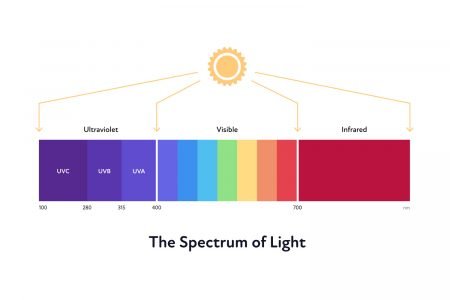
Ultra violet lights are designed to mimic ultraviolet (UV) wavelengths from the sun, which are typically divided into three basic subcategories.  UV wavelengths are measured in nanometers (nm), with the following distinctions made for the three common bands of ultra violet lighting:

  • UVA –  315 to 400 nm, long-wave, not absorbed by ozone layer

  • UVB –  280 to 315 nm, medium wave, 95% of UVB rays are absorbed by the ozone layer

  • UVC –  100 to 280 nm, all UVC rays are absorbed by the ozone layer

Far UVC light describes ultraviolet wavelengths in the range of 200 to 230 nm, specifically 222 nm, which is gaining interest for many UVC germicidal applications.

All short-wave UVC light and about 95% of UVB rays emitted by the sun are absorbed by the ozone layer. Exposure to UVB light increases the risk of cellular damage to living organisms and is the main cause of sunburns and is thought to be the main cause of skin cancer, the most common form of cancer in the U.S.

UVB light is also, however, the main source of vitamin D to most land vertebrates, including humans. Vit D assists with bone development and helps the body absorb calcium. Ultra violet lighting can be both harmful and beneficial to life. UVB and UVA lamps are also useful for a variety of medical phototherapy applications, such as treating skin conditions, mood disorders, and other health conditions.

All UVA light from the sun reaches the earth’s surface and is the main cause of suntan and skin aging, including wrinkles. UVA damages the skin’s elastin and collagen in the skin and generates free radicals. UVA lamps are the main types of lamps used in tanning beds.

UVC Germicidal Ultra Violet Lights

Exposure to UVC light is also harmful to human skin and eyes, and UVC germicidal lamps should be used in unoccupied spaces. Far UVC lights, however, are gaining recognition as providing highly effective germicidal properties while safer for human exposure and can be used for sterilization purposes in occupied spaces.

UVC ultra violet lights are used in a wide range of germicidal applications and are proven to eliminate harmful pathogens and microbes in the air, in water, and on surfaces. UVC ultra violet lights eliminate airborne pathogens in UV air purification systems and can be used in HVAC systems, including furnaces and AC units, to prevent mold buildup and sterilize equipment as well as the air that passes through the UVC wavelengths.

UVC lamps are also used in many water sterilization systems, and UVC ultra violet lighting can even kill some harmful bacteria in water that chlorine does not kill, such as Cryptosporidium and Giardia. UVC ultra violet lamps are also used for many surface sterilization applications such as in hospitals, laboratories, restaurants, food processing, and many other residential, commercial, and industrial applications.

Ultra Violet Lighting Applications

There are many practical applications, including biological and chemical effects, derived by the way that ultra violet lighting interacts with organic molecules. UVC Ultra violet lights are used in germicidal applications but ultra violet lights perform many valuable functions to many industries.

UV lights are found in many applications and processes such as:

  • Germicidal

  • Tanning

  • UV Curing

  • Illumination

  • Signs

  • Backlighting

  • Medical phototherapy

  • Specialty purposes

Whatever purpose is planned for the use of ultra violet lighting, it is critical to use quality ultra violet lamps. Not all UV lamps are created, and consulting with an experienced UV lamp manufacturer will help to ensure that you receive the correct type of lamps for your application.

UV Lamps for All Applications

LightSources is a leading global supplier of all types of UV lamps for use in any application. We offer UVC germicidal lamps, UV lamps for tanning beds, specialty ultraviolet lights such as for aviation backlighting, far UVC lamps, UV phototherapy lamps, and many other purposes.

May 03, 2023 /John Andros
uvc germicidal lamps, water sterilization, uvc lamps
UV Lamps

Long Lasting UV Light Bulbs, Applications & Solutions

April 21, 2023 by John Andros in UV Germicidal Lamp

Ultraviolet (UV) light is commonly associated with the bulbs found in tanning beds, although UV light bulbs have many uses and provide high-tech solutions to a broad range of applications. UV light tubes are often used in tanning beds to emit ultraviolet light, although UV light bulbs can come in many shapes and sizes, in the form of UV light tubes, U-shaped bulbs, and custom-designed lamps.

UV Light Bulbs and the Electromagnetic Spectrum

UV light is a type of electromagnetic radiation that is emitted anywhere between 10 to 400 nanometers (nm) on the electromagnetic spectrum. These are shorter wavelengths than visible light, in between visible light and x-rays. All electromagnetic radiation is considered light, although the human eye can only detect a small portion of this radiation which occurs when light is emitted between 380 to 700 nm. This is called visible light.

Visible white light is actually made up of a rainbow of colors with shorter wavelengths of 380 – 400 nm violet in color and longer wavelengths of 650 – 700 nm red in color. UV light is closer to the shorter wavelengths of visible light at 380-400 nm; therefore, UV light is “beyond violet.” Learn more about the electromagnetic spectrum and UV radiation.

UV light is further broken down into three categories of UVA, UVB, and UVC light. Each one of these types of UV radiation is created when manufacturing various types of UV light bulbs for use in many industries and applications.

Ultraviolet UV Light Bulbs

UV light bulbs are designed, engineered, and developed to provide a variety of solutions to many applications far beyond tanning, with UV lamps designed to provide black light solutions (UVA), medical phototherapy (typically UVB), and germicidal solutions (UVC). UV light tubes are used for these purposes and many others, designed to help the human race in many ways to eliminate the risk of contagious disease, treat various medical conditions, and help a variety of industries with specific UV lighting uses.

Not all UV lamps are created equal, be sure that you use high-quality UV light bulbs in your application by working with a reputable UV lamp supplier.

UV Light Tube and Bulb Applications

There are a large number of industries and applications utilizing the power of UV light. Some of the most common applications include:

Blacklight

Black lights might bring up images of blacklight posters with cool psychedelic patterns, or lighting up the dance floor at nightclubs, although blacklight bulbs provide many high-tech solutions to a wide range of applications. Black lights are used by criminal investigators to highlight bodily fluids, they can identify organic waste, such as to trace the activity of bed bugs, and they can be used to validate currency for fraud detection. These are typically UVA lamps that can also be used in bug zappers and insect traps and are not harmful to humans except in high dosage amounts.

UV Curing

UV lamps are used in many industrial and commercial applications to quickly cure coatings, varnishes, lacquers, glazes, and adhesives. UV curing light bulbs can be high-pressure, medium-pressure, or amalgam lamps and create a photochemical reaction that instantly cures these various coatings. This speeds up industrial applications in many industries, such as automotive, electrical, medical, optical, and industrial applications.

UV Germicidal

UV light bulbs designed to emit ultraviolet radiation in the UVC range, specifically at 254 nm, are proven to provide high germicidal efficacy in many sterilization applications for surfaces, water, and air purification systems. UVC light emitted by the sun is fully absorbed by the ozone layer and does not reach the Earth’s surface, but lighting engineers can replicate this wavelength of radiation to pinpoint the most effective wavelength that inactivates harmful microorganisms.

UVC germicidal lamps penetrate and alter the DNA of harmful cells to prevent replication which renders them harmless and unable to spread disease. UVC germicidal lamps are highly effective at killing many viruses and bacteria and preventing mold and mildew. Several studies show the effectiveness of UVC lamps against SARS-CoV-2, and UVC light is known to eliminate other beta coronaviruses such as MERS and SARS and also other antibiotic-resistant superbugs.

UVC light tubes are designed in a variety of shapes and sizes to meet the germicidal needs of many applications, including Surface Sterilization, Air Sterilization, and Water Purification.

UV Medical Phototherapy Lamps

UV light tubes are used in many medical phototherapy applications to treat a variety of skin disorders, neonatal jaundice, mood and sleep disorders, and other illnesses.

Tanning

Not all tanning UV light bulbs are created equal, and working with an experienced UV tanning lamp supplier provides many advantages. LightSources is a leading global supplier of UV lamps and offers proprietary tanning technologies such as SolGlass®, an innovative glass for effective indoor tanning, and A-Power™ Technology, high-pressure tanning lamps designed to produce peak UVA output while filtering out UVB.

Ozone Lamps

Ozone lamps are UV lamps designed to emit radiation at the specific wavelength of 185 nm, which provides effective oxidation and sterilization power. Ozone has the ability to remove odor and sterilize the air and water.

Protecting UV Light Tubes with Quartz Sleeves

Quartz sleeves are a smart investment and protect UV light tubes in a variety of applications. Quartz sleeves can be designed to protect custom sizes of UV light bulbs and provide benefits in any application, including surface, water, and air purification systems.

LightSources: Leading Supplier of UV Light Bulbs

LightSources is a leading global supplier of UV light bulbs custom-designed to provide specific OEM-oriented solutions. We offer high-tech UV lamp solutions to a wide range of industries and applications worldwide. Our team of UV lighting engineers possess deep technical knowledge of UV radiation and offer custom design and engineering, including custom phosphor plans to meet specific wavelength emission requirements.

April 21, 2023 /John Andros
uv radiation, electomagnetic spectrum, air sterilization
UV Germicidal Lamp

HVAC UV Bulbs Improve Indoor Air Quality

April 19, 2023 by John Andros in UV Germicidal Lamp

Many people want to know if HVAC UV bulbs really work to improve indoor air quality in heating, ventilation, and cooling (HVAC) systems. HVAC UV light bulbs can be highly effective at killing bacteria, viruses, mold, mildew, and fungi when using the right type of germicidal UV bulbs and with the proper installation.

Do HVAC UV Bulbs Really Work?

HVAC UV light bulbs prevent the accumulation of harmful microbes on internal components such as heat transfer coils which are exceptionally vulnerable to contamination due to the dark environment combined with condensation. Using HVAC UV light bulbs helps to improve the condition of mechanical components and reduce necessary maintenance by maintaining clean and sanitary parts free from microbial buildup.

HVAC UV bulbs also improve indoor air quality by sanitizing the air and inactivating mold spores that pass through HVAC ductwork. Ozone lamps in HVAC systems can also reach where direct UV exposure cannot and eliminates volatile organic compounds (VOCs) and foul odors from the air. Using UV bulbs in HVAC systems helps prevent harmful microorganisms from circulating throughout the ductwork in your home or office.

UVC Germicidal Bulbs for HVAC

HVAC UV light bulbs must be UVC germicidal bulbs to provide sterilization effectiveness. Ultraviolet light includes wavelengths in the range of 100 to 400 nm and is divided into three bands:

  • UVA is the longest wavelengths at 315 to 400 nm

  • UVB is in the range of 282 315 nm

  • UVC wavelengths are in the range of 100 to 280 nm

UVC radiation, specifically in the range of 254 nm, is proven highly effective at eradicating microorganisms quickly upon exposure by altering the DNA and preventing harmful germs from replicating. UVC radiation in this wavelength is proven to eliminate many types of harmful viruses and bacteria, including stubborn antibiotic-resistant bacteria and harmful coronaviruses, including the SARS-CoV-2 virus that causes COVID-19.

Far UVC is an even shorter wavelength in the range of 222 nm and is also effective for surface and air sterilization applications, and is safer for human exposure. 254 nm lamps are used in many surface, water, and air sterilization applications, although they should not be used in direct contact with human exposure. 222 nm lamps are providing alternative solutions with effective sterilization and safer usage.

HVAC UV Bulbs Improve Indoor Air Quality

UVC lamps for HVAC systems improve indoor air quality when installed by a professional to ensure safe and effective installation. HVAC professionals have knowledge of the correct placement and direction of UV bulbs for effective sterilization, considering the humidity and temperature levels in the home. Upper-Room Ultraviolet Germicidal Irradiation (UVGI) systems are located above occupied spaces and kill airborne pathogens for cleaner, healthier air.

UVGI and Air Filtration Filters

The Centers for Disease Control and Prevention, CDC, recommends a layered approach with the proper ventilation to mitigate the spread of disease and lower exposure. Using High-Efficiency Particulate Air (HEPA) is important to trap larger particles which could shield microorganisms from UV radiation, reducing effectiveness. UVGI provide effective sterilization but should be used in conjunction with proper air filtration and cleaning measures, and they do not replace the need for HEPA filtration.

HVAC UV Light Bulb Systems

HVAC UV bulbs provide two different types of sterilization, cleaning the coils and equipment for longer-lasting, cost-efficient operation and air sterilization in HVAC ducts. UV bulbs for HVAC disinfectants sterilize the air as it cycles through return ducts. Interior reflective surfaces maximize UVC light effectiveness in all directions. For sterilizing coils, UVC lamps are installed to target vulnerable components, including coils, filters, and condensation pans. UV light for HVAC systems prevents microbial growth in hard-to-reach places, including seams, grooves, and edges.

April 19, 2023 /John Andros
FAR UVC, uvc germicidal bulbs, uv light bulbs
UV Germicidal Lamp

UVB Light: Vitamin D and Light Therapy Treatment

April 17, 2023 by John Andros in UVB Light

UVB light simply means ultraviolet (UV) light that has a wavelength between 280 – 315 nanometer, nm. Ultraviolet light falls on the electromagnetic spectrum between visible light and x-rays and is generally divided into three sub-bands characterized by wavelengths:

·        UVA (315 to 400 nm) near UV

·        UVB (280 to 315 nm) middle UV

·        UVC (180 to 280 nm) far UV

Does UVB Light Reach The Earth’s Surface?

UVA wavelengths are the longest and account for approximately 95% of UV radiation that reaches the Earth’s surface. The ozone layer absorbs most UVB light from the sun, and medium UVB wavelengths cannot penetrate beyond the superficial layer of skin. UVB wavelengths contribute to delayed tanning, sunburn, skin aging, and skin cancer. The ozone layer absorbs all UVC short-wave radiation.

UVB light is very biologically active in that it is what helps the body produce vitamin D3. Vitamin D is a fat-soluble vitamin that helps the body absorb calcium and phosphorus and is vital to bone health. The difference is that Vit D3 is the natural form of vitamin D that is produced by the body from sunlight.

Why Vitamin D Is so Important

A vitamin D deficiency can lead to a loss of bone density, which contributes to bone fractures, broken bones, and osteoporosis. A severe deficiency of vitamin D can also lead to other diseases, such as rickets in children, which is a rare disease that causes the bones to become so soft they bend.

Vitamin D is also important for the immune system, and some studies suggest that vitamin D can help protect people against infections, cardiovascular disease, cancer, diabetes, dementia, respiratory disease, and other illnesses.

Treating Vitamin D Deficiency with UVB Bulb

UVB bulbs have been shown to increase vitamin D3 production and, according to some studies, can be more efficient than exposure to sunlight. Skin that is exposed to UVB light in the range of 297 nm will transform cholesterol into vitamin D3, and only a small amount in the range of 50-100 mili joules is needed to generate vitamin D3. Exposure to strong sunshine for about 15 minutes daily is considered adequate, although people living in the northern hemisphere during the winter when sunlight is scarce could become vitamin D deficient.

UVB bulbs that produce precisely 297 nm are required to realize optimal vitamin D3 production, converting 7-dehydrocholesterol (7-DHC) to pre-vitamin D3, which will undergo a subsequent rearrangement to vitamin D3. UVB light to produce vitamin D3 is also important for animals and many reptiles that synthesize vitamin D3 when their skin is exposed to UVB light. A lack of exposure to UVB light can lead to metabolic bone disease in reptiles and amphibians because most reptile species are not able to utilize dietary vitamin D3.

UVB bulbs should only be used to treat human vitamin D deficiency or other health conditions under the care of a physician. Exposure to lamps at this nanometer could damage the skin and eyes, and a medical professional should ensure proper lamp type and exposure is being used for UVB light therapy treatment of any disease.

UVB Light Therapy

UVB lamps are reported to have been used to treat a variety of health conditions dating back to the early 1900s.  Many medical phototherapy lamps utilize UVB lamps which are proven to effectively treat a host of conditions such as:

·        Mood disorders

·        Sleep disorders

·        Skin conditions

  • UV Acne

  • UV Eczema

  • UV Psoriasis

  • UVB Vitiligo 

UVB bulbs improve skin conditions when administered properly under a doctor’s care, oftentimes by shutting down overactive cells in the skin. UVB and narrowband UVB bulbs are used to treat psoriasis to decrease symptoms and promote healing. UVB and narrowband UVB light is also used to treat eczema, and primarily UVB narrowband bulbs are shown effective at treating vitiligo by helping to repigment cells. LightSources offers UVB light therapy lamps and other medical phototherapy lamps designed to meet specific treatment needs.

April 17, 2023 /John Andros
UVB Light, Light Therapy Treatment, medical phototherapy lamps
UVB Light

UVC Virus Killers: Germicidal Lamps and Far UVC

April 14, 2023 by John Andros in Germicidal Lamps

The ongoing COVID-19 pandemic continues to stress the importance of utilizing effective Infection Prevention and Control (IPC) methods, and germicidal lamps are gaining in popularity as UVC virus killers.  Ultraviolet (UV) based technologies are promising IPC tools showing high efficacy in killing many types of beta coronaviruses, including the SARS-CoV-2 virus that causes COVID-19.

As of March 29, 2023, the toll of the global health pandemic as reported by the World Health Organization, WHO, reports 761,402,282 confirmed cases of COVID-19, including 6,887,000 deaths in 229 countries and territories and 102,697,566 confirmed cases of COVID-19 with 1,117,054 deaths in the United States.

UVC Virus Inactivation and Efficacy in Reducing the Spread of Disease

The Federal Drug Administration, FDA, offers additional information for businesses and consumers to learn more about ultraviolet light virus inactivation and its efficacy in reducing the spread of disease. UVC radiation at the correct wavelength has been used for decades for the effective disinfection of air, water, and surfaces and is engineered in UVC germicidal lamps. UV-C light kills bacteria such as tuberculosis and many viruses, including beta coronaviruses.

UV-C Light Kills Viruses MERS, SARS, and SARS-CoV-2

Coronaviruses are a large family of viruses that typically cause mild-to-moderate respiratory infections in humans, although coronaviruses are known to infect both humans and animals. They can often spread in animals but can jump to humans and continue spreading in humans with viral mutations. Coronaviruses are named partly due to the crown-like spiked protrusions on the surface.

Some types of coronaviruses may cause illnesses like the common cold, although severe acute respiratory syndrome viruses (SARS-CoV) can be severe, such as the fatal outbreak of SARS in 2002 and Middle East Respiratory Syndrome coronavirus (MERS-CoV) in 2012. SARS-CoV-2 is another severe acute respiratory syndrome virus that causes COVID-19.

Ultraviolet light virus inactivation is highly effective at eliminating the threat of coronaviruses, including the SARS-CoV-2 virus, when administered at the proper wavelength and dosage. According to a scientific report, UV-C irradiation is highly effective in inactivating SARS-CoV-2 replication; the response of UV virus inactivation depends on both the virus concentration and the UVC dose. The results of this study and many others show that the SARS-CoV-2 is extremely sensitive to UVC light.

UVC Light Kill Viruses And Other Harmful Pathogens

According to a study published in 2020 and reported by Biological Consulting Services, UVC virus inactivation was determined against various harmful pathogens with results including:

  • Influenza A H1N1 – 99.999% reduction

  • SARS-CoV-2 virus – 99.999% reduction

  • Polio Virus LSc 1 – 99.99% reduction

  • Methicillin Resistant Staphylococcus Aureus (MRSA) – 99.99 reduction

  • Salmonella species, 6 variations – 99.99% reduction

UV virus elimination is very effective when using the right type of UVC germicidal lamps and the proper dosage, and environment such as line of sight disinfection on a surface not contaminated with dirt that can affect UV inactivation results. This is why ultraviolet light virus disinfection is recommended in addition to manual cleaning practices for maximum effectiveness.

UVC Virus Disinfection in Air, Water, and Surfaces

UVC germicidal lamps are typically designed to emit wavelengths at precisely 254 nm, proven to be highly effective at penetrating the DNA of microorganisms to render them harmless. Far UVC lamps are gaining in popularity and showing high germicidal efficacy while being safer to operate in the presence of humans. Standard germicidal UVC lamps should operate in non-occupied spaces and can be found in upper room ultraviolet germicidal irradiation (UVGI) systems, HVAC systems, and other disinfection devices like UVC robots programmed to run through hospital hallways or patient rooms that are unoccupied.

Not all UVC germicidal lamps are created equal, and it is important to work with an experienced ultraviolet lamp designer to ensure effective germicidal properties.

April 14, 2023 /John Andros
FAR UVC, GERMICIDAL LAMPS, UVC GERMICIDAL
Germicidal Lamps

UV Lighting: History and Uses

April 08, 2023 by John Andros in UVC Light

Ultraviolet (UV) light means “beyond violet,” as violet is the highest frequency of light visible to the human eye. The electromagnetic spectrum of light that the human eye can detect is in the range of 380 to 700 nanometers (nm). UV lighting has a shorter wavelength and a higher frequency than visible violet light. 

UV light was first discovered by German physicist Johann Ritter in 1801 when he discovered that invisible light rays darkened paper soaked in silver chloride faster than visible light

UVA, UVB, UVC and Far UVC 

Ultraviolet UV lighting can be categorized into three different areas known as:

UVA – this is the longest wavelength of UV light and is emitted between 320 to 400 nm.   UVA is the least carcinogenic wavelength but still contributes to sunburns and skin cancer.

UVB – light emitted in the wavelength range of 280 to 320 nm is considered UVB. It is more carcinogenic than UVA, however, only about 5% of this light reaches the earth’s surface.

UVC – this is the shortest wavelength of UV light in the range of 100 to 280 nm. UVC light, when emitted from the sun, is the shortest wavelength of light and is completely absorbed by the ozone layer, thus never reaching the earth.  UVC lights are designed to emit UVC radiation, mostly for germicidal applications.

Each category of UV lighting has very useful purposes for many industries and applications. UVA and UVB light are common in many medical phototherapy lamps. UVC light has been known for over a century to possess highly effective sterilization and disinfection properties, particularly at 254 nm.

Far UVC lamps are becoming more popular as they are designed to emit wavelengths close to 222nm, which is found to provide the similar germicidal efficacy to 254 nm lamps while being safe to use in occupied spaces.

UVC Germicidal Lamps

UV lamps designed to emit UVC radiation in the range of 254 nm are used in many germicidal applications, such as UV air purification systems, UV water disinfection, and UV sterilization of surfaces. 

UV Air Purification

UVC lamps have been used for decades to disinfect and remove harmful contaminants from the air, including dust mites, mold spores, viruses, bacteria, fungi, and other harmful airborne microorganisms. UV C air sterilization has a long history of improving indoor air quality and preventing various airborne diseases, as reported by the National Library of Medicine, The History of Ultraviolet Germicidal Irradiation for Air Disinfection.

Ultraviolet germicidal irradiation (UVGI) is used in air purification systems such as Upper Room UVGI and HVAC systems. 

Upper room UVGI systems are designed to disinfect air above occupied spaces in wall or ceiling-mounted UVGI fixtures.  UVC lamps in HVAC systems also disinfect air as it passes through furnaces and AC units to remove harmful airborne contaminants and protect equipment against the buildup of mold and fungi. 

UV Water Disinfection 

UVC lamps provide a highly effective, cost-efficient, and safe alternative to chemical water treatment. UVC lamps are found in many water disinfection systems, such as wastewater treatment for drinking water and industrial water, life sciences and aquaculture, pool and spa applications, and other water treatment applications. 

UV Surface Sterilization

UVC germicidal lamps are also used in many surface sterilization applications to prevent the presence or buildup of harmful microorganisms on surfaces. UV surface sterilization lamps are used in hospitals and medical applications, restaurants, commercial kitchens, and residential products. 

LightSources is an industry-leading global supplier of UV lighting solutions and UV germicidal lamps used in these processes and other germicidal applications. 

UV Medical Phototherapy Lamps

The history of UV light providing therapeutic effects dates back to the early 1900s, with UVA and UVB lamps providing effective treatment to a variety of skin conditions. Specific medical phototherapy lamps must be used for effective treatment and should be prescribed by a physician and used under a doctor’s care. 

UV Tanning Lamps

Ultraviolet lamps designed for tanning beds typically emit UVA radiation, sometimes with a small percentage of UVB. Tanning lamp manufacturers like LightSources offer various innovative lamp designs and proprietary solutions. 

UV Curing Lamps

UV lamps are used in a variety of industrial processes that require curing various coatings, varnishes, lacquers, adhesives, and inks. UV curing provides many benefits to manufacturers with faster curing than air-dried processes and a higher level of quality. UV curing is used in many applications, such as automotive, electrical, optical, and other industrial applications.  LightSources offers various UV curing lamps, including medium pressure, high pressure, and amalgam curing lamps.

April 08, 2023 /John Andros
lighting technology, light therapy, uv lighting company
UVC Light

UVC Lamp Uses and Options

March 17, 2023 by John Andros in UVC Lamp

Many germicidal applications today feature UVC lamp technology, as UVC light is proven to have powerful germ-killing properties. 

UVC Lamp Design and Engineering 

UVC lamps are ultraviolet (UV) lamps that are manufactured to emit UV light at a specific wavelength, measured in nanometers (nm). Ultraviolet light consists primarily of three bands of electromagnetic radiation, UVA, UVB, and UVC. UVC light is emitted in the range of 100 to 280 nm, with shorter wavelengths than UVA (315-400 nm) and UVB (280-315 nm) light.  

When emitted from the sun, the majority of UV light that reaches the Earth’s surface is in the UVA range, with some in the UVB range, and UVC radiation is completely absorbed by the ozone layer. Germicidal UVC lamp manufacturers design, engineer, and manufacture UVC lamps to emit electromagnetic radiation in a specific wavelength to meet application requirements. 

UVC Lamp Germicidal Applications

UVC light is proven to have highly effective germicidal properties, killing many types of bacteria and viruses, as well as preventing mold and mildew. This makes UVC lamps a very important part of many types of disinfection and sterilization systems used in residential, commercial, and industrial applications. 

UVC Lamps for Air Purification

UVC lamps are used in UV air sterilization systems in just about any setting to improve indoor air quality and prevent the transmission of harmful airborne germs. UV air sterilization systems protect the health of people in many environments, including residential homes, hospitals and medical facilities, schools, restaurants, public transportation systems, and more.

UVC Lamps for Surface Sterilization

Many UV surface sterilization systems feature UVC lamp technology to prevent the buildup of harmful germs in places like commercial kitchens and laboratories.  UVC lamps are commonly used to protect patients in hospitals and operating rooms and to disinfect medical devices. 

UVC Lamps for Water Disinfection

UVC lamp technology is used in many water disinfection applications and provides safe and efficient germicidal effectiveness. UVC lamps are proven to eliminate some harmful germs in water that chlorine cannot, such as Cryptosporidium and Giardia. Germicidal UVC lamps for water disinfection provide many advantages over chemical use alone.

UVC Lamp Types

UVC 185nm Ozone Lamps

UVC light in the range of 185 nm produces ozone, which is an effective sanitizer and deodorizer. Ozone lamps are used in a variety of air and water purification systems. Ozone lamps for air purification have the advantage of producing UVC radiation that does not require direct line-of-sight exposure for germicidal effectiveness.  Ozone can reach places that other UVC lamps cannot and are effective at eliminating foul odor in the air and volatile organic compounds (VOCs). 

UVC 254 nm Disinfection Lamps

UVC lamps designed to emit 254 nm are the most common types of UVC germicidal lamps used in a variety of disinfection systems, including air, surface, and water. UVC light at 254 nm quickly eliminates many bacteria and viruses by penetrating the cells and altering the DNA to prevent cell replication. UVC light at 254 nm is proven to eliminate many types of bacteria and viruses, although the correct type of UVC lamp must be used at the right dosage to meet the requirements for specific pathogens. UVC light is proven to eliminate many antibiotic-resistant superbugs and many viruses, including SARS-CoV-2, the virus that causes COVID-19.

The rate of effectiveness at killing various types of bacteria and viruses depends on the type of microorganism, the intensity of the UVC lamp, and the duration of exposure.

222 nm Excimer Lamps

UVC light in the range near 222 nm, also called Far UVC, is becoming more popular for many germicidal applications. Far UVC lamps are proven to have many similar sterilization properties as 254 nm lamps, although they can be safer for human exposure under the right conditions.

UVC Lamp Custom Design and Manufacturing

LightSources is a world-leading UVC lamp manufacturer, offering high-tech lamp designers and engineers with in-depth knowledge of UV radiation.  We offer a wide range of UVC lamps used in many germicidal applications and custom design and engineering, including prototype development.

This blog post appeared originally here

March 17, 2023 /John Andros
UVC Lamp, Germicidal UVC lamp, UV surface sterilization
UVC Lamp

UV Light Disinfection Effectiveness, Safety, and Lamp Types

March 15, 2023 by John Andros in UV Light Disinfection

UV light disinfection has been around for decades and is a proven effective method to eliminate germs with the use of a UV disinfection lamp.

What Is a UV Disinfection Lamp?

UV lights for disinfecting are used for various disinfection applications to reduce pathogens such as bacteria and viruses. UV disinfection lighting also prevents mold and mildew, which helps to prevent foul odor caused by mold spores or bacteria. UV light disinfection provides a no-touch, chemical-free method of killing many types of harmful germs in the air, on surfaces, and in water.

How Effective Is UV Light Disinfection?

UVC radiation has been proven highly effective in reducing the spread of many types of viruses and bacteria, such as tuberculosis. A UV disinfection lamp is often called a “germicidal” lamp for this reason. Since the onset of the most recent COVID-19 global pandemic that started in 2020, many people have wanted to know if UV disinfection lighting kills the virus that causes COVID-19. According to the Food and Drug Administration, FDA, the UVC radiation found in quality UV disinfection lamps has been shown to destroy the outer protein coating of the SARS-coronavirus, which is a different variation from the SARS-CoV-2 virus that causes COVID-19.

Research is ongoing to determine the effectiveness of UV light disinfection against the SARS-CoV-2 virus, and many studies show positive results.  UVC radiation has been proven to be highly effective at eliminating various pathogens. As reported in a study issued by Biological Consulting Services, the following harmful pathogens were effectively eliminated with a UV light disinfectant:

  • Polio Virus LSc 1 – 99.99% reduction

  • Methicillin Resistant Staphylococcus Aureus (MRSA) – 99.99 reduction

  • Influenza A H1N1 – 99.999% reduction

  • Salmonella species, 6 variations – 99.99% reduction

  • SARS-CoV-2 virus – 99.999% reduction

UV light disinfection is proven highly effective in eliminating these harmful pathogens and many others. It is important to work with an experienced UVC disinfection lamp manufacturer to ensure the lamp emits the proper wavelengths for effective disinfection.

Limitations of UV Lights for Disinfecting

To achieve the most reliable disinfection UV light provides, it is important to understand the limitations in the safe handling of a UV disinfection lamp. UVC radiation can only inactivate a pathogen, virus, or bacteria with direct, line-of-sight exposure. Surfaces that contain dust, soil, or bodily fluids may not receive the full amount of inactivation of pathogens as the contaminated surface can block full exposure of the disinfection lamp.

Direct exposure

In addition to the requirement for direct exposure, the dosage and duration of exposure to UVC radiation can vary depending on the surface area and the type of virus or bacteria. Many UV disinfection lamps sold for home use are designed to emit a very low dose of UVC radiation which could take even longer to potentially inactivate pathogens.

Safety concerns

Direct exposure to UV disinfection lamps can also cause harm to human skin and eyes. A UV disinfection lamp should not be used in the direct vicinity of human exposure due to these safety concerns. This is one reason why UV disinfection lamps are often used inside air ducts and HVAC systems to purify the air and eliminate harmful airborne germs without risking harmful exposure to humans.

Using UV disinfection lighting in air vents and HVAC systems is a common and safe way for many people and businesses to experience the benefits of UVC germicidal radiation without any of the risks. Disinfection UV light installed in HVAC systems provides many benefits, which include:

  • Purifies and improves indoor air quality

  • Sterilizes and eliminates viruses, bacteria, and mold

  • Provides 99.99% surface disinfection

  • Improves efficiency of HVAC equipment

  • Disinfects coils in the drain pan

  • No touch, no chemical disinfection

Air disinfection UV light systems are one of the most effective ways to reduce the risk of exposure to harmful airborne pathogens.

Not all UV lights for disinfecting are created in the same way, and effective UVC germicidal lamps must emit a very specific wavelength. 254 nm lamps have been the standard wavelength for germicidal effectiveness, although far UVC 222 nm lamps are gaining in popularity due to many advantages. Far UVC, Excimer lamps provide the same germicidal effectiveness, if not greater, in some applications while causing less damage to skin and eyes.

This blog post appeared originally here

March 15, 2023 /John Andros
UV lights, UVC Disinfection lamp manufacturer, air disinfection, UV Light Disinfection
UV Light Disinfection

What are the Benefits of UV Quartz Sleeves?

December 07, 2022 by John Andros in UV Quartz Sleeves

UV quartz sleeves are a protective jacket that fits around ultraviolet (UV) lamps to protect the lamps as well as protect people against the hazards of UV lamp breakage. Quartz sleeves for UV lamps are a smart investment that can be applied to many different types of UVC germicidal lamps such as standard lamps, amalgam lamps and high-output (HO) lamps. There are various types of UV quartz sleeves such as open ends or closed ends which are also called dome sleeves. Saw cut, fire polished and other custom quartz sleeve shapes are available.

UV Quartz Sleeves Protect Lamps, People, and the Environment

Adding UV quartz sleeves protects the lamps against damage from water, air, leakage, fluctuations in temperature and breakage which can cause injury and environmental contamination. Quartz sleeves protect UV lamps in a wide variety of applications and are particularly useful to protect UVC germicidal lamps. UV quartz sleeves can be installed on germicidal lamps used in UV air sterilization, water disinfection, and surface sterilization systems.

Quartz Sleeves Protect in Any Environment

UV quartz sleeves are useful to protect UVC germicidal lamps in many different industries and applications such as:

  • Surface disinfection systems

  • Water sterilization systems

  • Air purification units

  • Photochemical reactors

  • Many specialized sterilization systems

LightSources is a worldwide supplier of ultraviolet (UV) lamps and lighting solutions providing high quality UV lamps, proprietary technologies that extends useful life and quartz sleeves for added protection. Quartz sleeves are beneficial when lamps are used in small places  and can be designed to protect two-tube linear lamps and custom-designed lamps in a variety of shapes and sizes.  LightSources offers OEM-oriented solutions with custom design, engineering, and development to meet specific germicidal requirements and UV quartz sleeves to provide long-lasting protection.

LightSources offers high-quality, high-tech, specialty UV lamps and lighting solutions. Our proprietary technology extends lamp life with high-performance and our quartz sleeves protect lamps in many different environments. Contact us to learn more about the many UV lamp solutions we offer including lamp protection with UV quartz sleeves.

December 07, 2022 /John Andros
uvc lamps, uvc germicidal lamps, uv air sterilization, uv quartz sleeves
UV Quartz Sleeves

UV Protection Against Germs in Malls and Theaters

December 05, 2022 by John Andros in UV Lamps

The global pandemic that started in 2020 created an urgency for public officials and business owners to protect people on their property and in confined spaces. While social distancing, handwashing, and mask wearing are all recommended measures to prevent the spread of disease, providing a sanitary environment where people gather is a must. Business owners increased cleaning and disinfecting measures and explored new sterilization techniques like ultraviolet (UV) light.

UV lamps designed to emit UV electromagnetic radiation in the UVC range have been used for decades to eliminate the threat of viruses, bacteria, and various harmful microorganisms. UVC germicidal lamps are used in air purification systems, water disinfection, and surface sterilization systems worldwide. Ultraviolet germicidal irradiation (UVGI) has been used in upper room air disinfection systems for decades and was a popular measure to protect people against tuberculosis in the 1950s.

UV Germicidal Lamps Help the Entertainment Industry 

With much evidence to back up the effectiveness of UVC germicidal lamps, the entertainment industry has looked to UV technology to remain open during the pandemic and protect patrons. Research has shown that UVC radiation when emitted at the right wavelength and for the proper time period eliminates many types of viruses and bacteria including stubborn antibiotic-resistant bacteria and viruses including beta corona viruses such as MERS, SARS and SARS-CoV-2, the virus that causes COVID-19. 

Germicidal UV lamps are proven to help prevent airborne transmission of disease in air purification systems and can be used in HVAC systems as well as upper room UVGI systems.  Surface sterilization can include handheld countertop disinfection devices or sophisticated UV robots that roam areas of unoccupied spaces.  UV disinfection systems must utilize quality UVC germicidal lamps for maximum effectiveness.

LightSources is a leading global supplier of high quality, high-tech UVC germicidal lamps. We design, engineer, and manufacture UV lamps for sterilization in a variety of applications and industries with custom development and prototype solutions available. Contact us to learn more about sourcing high-quality, long-lasting UVC germicidal lamps for malls, theaters, and public places.

December 05, 2022 /John Andros
Germicidal UV Lamps, uvc lamps, uv air treatment systems
UV Lamps

Where are UV Light Bulbs Used?

November 25, 2022 by John Andros in UV Light

Ultraviolet (UV) light bulbs are used in many industries and applications, providing such a broad range of solutions to so many environments it is difficult to list them all. UV light is not visible to the human eye, scientists and lighting engineers replicate the shortwave electromagnetic radiation when manufacturing UV lamps. Custom phosphor blends and lamp design and engineering provide visibility of the UV radiation, which is typically not detectable by the human eye.

UV light, when emitted by the sun, is typically categorized into three areas, UVA, UVB, and UVC. UVC is the shortest wavelength and is completely absorbed by the ozone layer, never reaching the surface of the earth. UVC light is also known to possess highly effective germicidal properties to sterilize surfaces, water, and the air.  UVA and UVB lamps are also used for a wide range of purposes, with ultraviolet light bulbs providing a healthier and safer environment for the human race in many ways.

Common UV Light Bulb Applications

Some of the most common applications where UV lamps are utilized include:

UV curing - ultraviolet light is known to quickly cure certain coatings, glazes, adhesives, lacquers, and varnishes in an instant, providing a durable and smooth surface. This speeds up industrial processes in many industries and creates higher-quality products with quick curing, less evaporation, and less contamination.

UV germicidal - ultraviolet light emitted in the short wave range of UVC is known to provide very effective germicidal properties and can eliminate viruses, bacteria, and harmful microorganisms in a matter of seconds. UVC germicidal lamps are used in air purification systems, water, and surface sterilization systems, and many environments such as schools, laboratories, hospitals, and many commercial and residential environments. Germicidal UVC lamps are known to eliminate superbugs that are resistant to antibiotics and are also effective against beta coronaviruses, including MERS, SARS, and SARS-CoV-2, the virus responsible for COVID-19. 

Phototherapy - UV lamps bring healing to patients suffering from many conditions, offering hope and effective treatment to people suffering from many skin conditions like psoriasis, eczema, and acne. UV light bulbs also provide healing to people with mood disorders and depression and are used to treat babies born with neonatal jaundice. 

Tanning - UV light tubes used for tanning are one of the most commonly recognized UV lamps in service. UV tanning lamps are quite different from phototherapy and germicidal lamps, and not all UV lamps are created equal.

It is important to source your UV lamps from a reputable UV lamp manufacturer.

LightSources is a leading global supplier of UV lamp solutions used in a broad range of applications worldwide. We employ the leading high-tech lighting and UV lamp engineers, combined with a state-of-the-art glass factory and a commitment to delivering innovative, energy-efficient, and cost-saving UV lighting solutions. Contact us with any questions and learn how to improve your UV lamp application with quality UV light bulbs and tubes.

November 25, 2022 /John Andros
uv lamps, uv germicidal bulbs, uv air purification systems, uvc light
UV Light

Where Is UV Light on the Electromagnetic Spectrum?

November 23, 2022 by John Andros in UV Light

Electromagnetic energy travels in waves and covers a very wide spectrum from short gamma rays to long radio waves, with x-rays, visible light, and UV light in between. Only a small portion of this electromagnetic spectrum is visible light that the human eye can detect. An x-ray machine detects a different portion of the spectrum, and a radio detects yet another portion of this spectrum. 

People use electromagnetic energy every day, when they send a text message, watch television, listen to the radio, or use a microwave oven. The world as we know it would not exist without electromagnetic energy.

UV Light and Visible Light

Ultraviolet (UV) light is actually not visible to the human eye, with shorter wavelengths than visible light. Visible light can be seen at wavelengths measuring from about 400 to 700 nm, with 400 nm light being purple or violet in color. UV light is emitted in shorter wavelengths in the range of 100 to 400 nm, closest to the violet color on the visible spectrum, thus is coined beyond violet, or ultraviolet.

UVA, UVB, & UVC

Ultraviolet radiation has many practical uses and provides many benefits to industries and applications to help the human race.  Ultraviolet light is further broken down into three categories, UVA, UVB, and UVC light.  UVC is the shortest wavelength and, when emitted from the sun, is completely absorbed by the ozone layer, although it is proven to provide powerful germicidal properties. 

Scientists and lighting engineers replicate UVC radiation when manufacturing UVC bulbs that provide powerful germicidal properties in many environments, including air disinfection, surface, and water sterilization. UVB lamps are commonly used in many medical phototherapy applications, bringing relief to a wide range of people suffering from skin disorders, acne, psoriasis, and eczema, and also helping people with mood disorders and depression. UVA lamps are also useful in medical phototherapy applications and are also the commonly known black light. Black lights do much more than illuminate psychedelic posters, they help crime scene investigators identify organic material and bodily fluids and help prevent fraud with currency validation.

No matter what type of UV light bulbs you require, working with a reputable UV lamp manufacturer is the best way to ensure quality lamps, as not all UV lamps are created equal.

LightSources is recognized as a leading global supplier of UV light bulbs with a wide selection of standard shapes and sizes and custom options available, including UV light tubes, U-shaped lamps, and custom designs. Contact us to learn more about the many UV lamp solutions we provide with high-quality, and high-tech UV lamp engineering.

November 23, 2022 /John Andros
uv light bulb suppliers, advanced uv light, uv air purification systems
UV Light

UV Disinfection Lamps in HVAC Systems

October 31, 2022 by John Andros in UV disinfection Lamps

Ultraviolet (UV) lamps designed to emit UVC radiation have long been used for effective disinfection and sterilization purposes. Lighting engineers re-create UVC light which is naked to the human eye, and the shortest wave of UV light that is fully absorbed by the ozone layer. UVC radiation packs powerful germ-killing properties and quickly kills a variety of viruses, bacteria, and microorganisms within seconds of contact.

UVC lights have been used in many disinfection applications for decades, such as air purification systems, water disinfection systems, and surface sterilization applications. 

Benefits of UVC Lamps in Air Purification Systems

UVC lamps in air purification systems prevent many airborne diseases by purifying the air and cleansing air from harmful contaminants while circulating and exposed to UVC lamps. UV lamps in HVAC systems are becoming more popular as many people realize the benefits of removing harmful contaminants from the air and preventing airborne disease.

Germicidal UV lamps in HVAC units provide additional benefits of protecting equipment and air condenser coils against the formation and buildup of mold and mildew. UVC lamps are known to prevent mold and mildew, which helps equipment to run smoother, more efficiently, and last longer.

How UVC Lamps Kill Airborne Viruses

UVC radiation quickly penetrates the DNA of harmful cells, altering the genetic makeup of these microorganisms, which renders them unable to reproduce. Cells that cannot reproduce are rendered harmless without the needed proteins to replicate or survive. Many studies show high efficacy with germ-killing properties of UVC germicidal lamps in air purification and HVAC systems.

UVC lamps should only be installed by a professional in HVAC systems as exposure to UVC radiation can be harmful to human eyes and skin. 

LightSources and valued partner LightTech are leading UV lamp global suppliers offering high-quality, high-tech germicidal lamps designed to meet specific disinfection requirements. We offer custom design and development with custom phosphor blends, prototype development, and OEM-oriented solutions. Contact us with any questions and to learn more about the many benefits of quality UVC lamps in HVAC systems.

October 31, 2022 /John Andros
Germicidal UV Lamps, uv air purification systems, UVC Lamps
UV disinfection Lamps

UV Light Improves Food Safety with UV Irradiation

October 28, 2022 by John Andros in UVC Light

Ultraviolet (UV) light is useful in many applications providing benefits far beyond illumination. UV light in the UVC range is known to provide powerful germ-killing properties for disinfection and sterilization in many environments. UVC germicidal lamps are used in many germ-killing applications, such as UV air purification, surface sterilization, and water disinfection.

UV lamps are very useful in food and beverage processing applications to prevent a variety of foodborne illnesses, protect against infestation from harmful pathogens, and preserve food keeping it fresher longer.

UV Food Irradiation FDA Approved

UV food irradiation has been approved by the US Food and Drug Administration, FDA,  for decades and is proven to be an entirely safe method to treat food products. UV food irradiation helps food processing plants to ensure foods are free from harmful diseases such as listeria, which can be found in raw foods and processed meats, vegetables, and dairy products. 

These foods can become contaminated after food processing, and using UV disinfection methods on food processing conveyor belts helps to keep contact surfaces sterile without using harsh chemicals. UV food irradiation helps to prevent listeria during final food packaging for many ready-to-eat foods.

UV Irradiation Protects Many Food Types

UV irradiation protects many types of foods and beverages, providing many benefits to food and beverage processors such as:

  • Prevents insect infestation in grains, nuts, vegetables, or dried fruit

  • Prevents potatoes, garlic, and onions from premature sprouting

  • Prolongs freshness and extends shelf life, especially for bread and dairy products

  • Prevents mold and mildew from accumulating on liquid sugar tanks

  • Preserves nutritional value in food items

  • Slows down the process of aging and ripening

  • Reduces microorganisms found in herbs and spices

  • Prevents listeria on conveyor belts, a big risk for ready-to-eat and meat food processors

  • Reduces risk of health hazards from foodborne illnesses, particularly in meat, seafood, and poultry

UV food irradiation provides these benefits and more to ensure healthier food products with safer food processing. UV food irradiation reduces the need for chemical cleaners and additives, which are always a concern in the food and beverage industry. UVC lamps provide powerful benefits to food processors that improve food safety and reduce the risk of contaminated food, improving the bottom line with less waste.

LightSources is a leading global supplier of UVC germicidal lamps found in many sterilization applications, including food irradiation. Our lighting engineers possess deep technical knowledge of UVC electromagnetic radiation and custom design lamps to meet specific wavelength requirements. Contact us with any questions and to improve any germicidal application, including food irradiation with quality UVC lamps.

October 28, 2022 /John Andros
uvc lamps, uv air purification systems, uvc germicidal lamps
UVC Light

Excimer Lamp Application And Uses

September 07, 2022 by John Andros in Air Sterilization Systems

The term Excimer lamp refers to ultraviolet lamps that are specially designed to emit UV radiation in the wavelength range of 170 nm to approximately 230 nm. The wavelength emission depends on the noble gas excimers present in the lamp. Excimer lamps are popular for generating far UVC, typically in the specific range of 222 nm, an ideal range for UV disinfection, although they are capable of producing other ranges for use in applications. 

Excimer lamps designed to emit UV radiation in the range of 172 nm are commonly used for UV curing applications and when designed to emit 185 nm, are known to create ozone.

Excimer Lamps at 222 nm for Sterilization

Conventional UVC germicidal lamps typically emit radiation in the range of 254 nm, which is highly effective for germicidal applications, although is unsafe for use in the presence of humans. Far UVC at 222 nm is proven just as effective, if not more than 254 nm in some germicidal applications and offers the benefit of safe usage in occupied spaces. 222 nm Excimer lamps are proven just as effective at eliminating threats of stubborn viruses such as methicillin-resistant Staphylococcus aureus (MRSA) and other antibiotic-resistant pathogens.

UV Surface Activation at 172 nm with Excimer lamps 

UV Excimer lamps designed to emit 172 nm radiation are used primarily for UV curing and surface activation industrial applications. Ultraviolet radiation at 172 nm alters surface energy to allow for improved adhesion of coatings to substrates. UV lamps at 172 nm deliver electromagnetic energy to alter organic molecule bonds to improve adhesion and UV curing applications without altering physical surface properties. 

Excimer Lamps for Ozone Production at 185 nm

Ultraviolet lamps designed to emit UV radiation in the range of 185 nm are known to produce ozone and effective oxidizer and deodorizer. Ozone lamps are commonly used in water and air sterilization systems to purify the air and eliminate the threat of airborne diseases while also removing foul odors.

LightSources offers a wide range of ultraviolet lamp solutions for many industries and applications, including UV sterilization, UV curing, and ozone production. We offer custom design, engineering, and manufacturing, including prototype development focusing on OEM-oriented solutions. Contact us with any questions and to learn more about the many benefits of Excimer lamps.

September 07, 2022 /John Andros
air sterilization, uvc germicidal lamps, 254 nm
Air Sterilization Systems
  • Newer
  • Older

Powered by Squarespace